
Technical Deep-Dives
Architecture decisions, model trade-offs, and production lessons from building AI products. Written by the engineers who shipped them.
32 articles
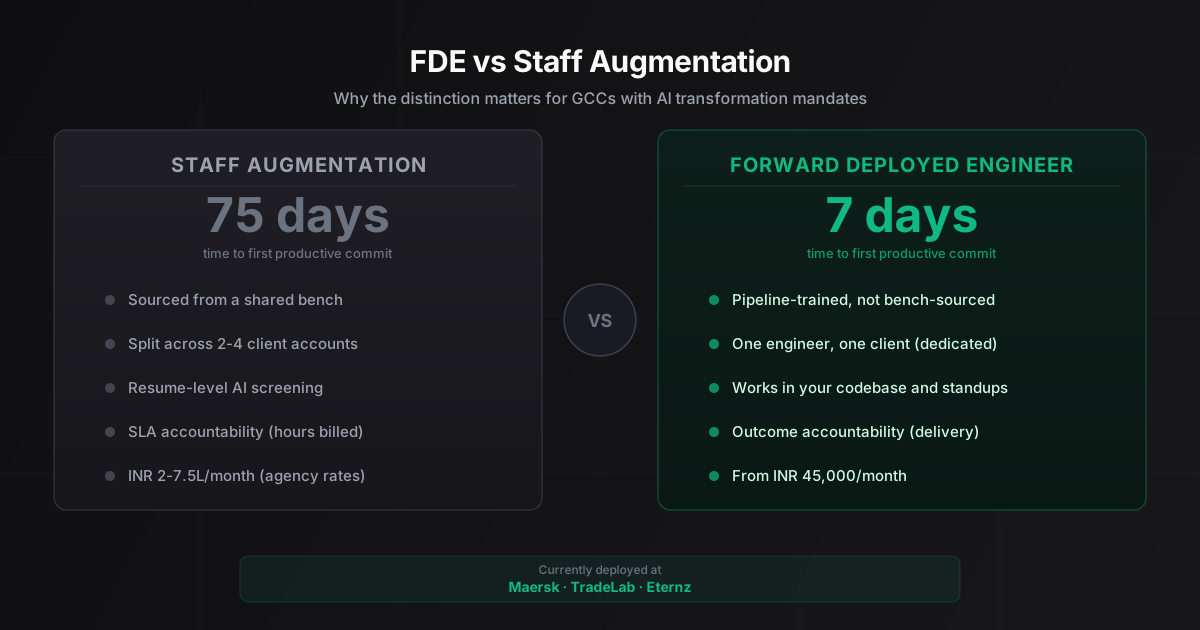
FDE vs Staff Augmentation: What GCCs Get Wrong
Staff augmentation adds headcount. FDE embeds AI capability. For GCCs with AI transformation mandates, the distinction determines sprint outcomes.
 Anil Gulecha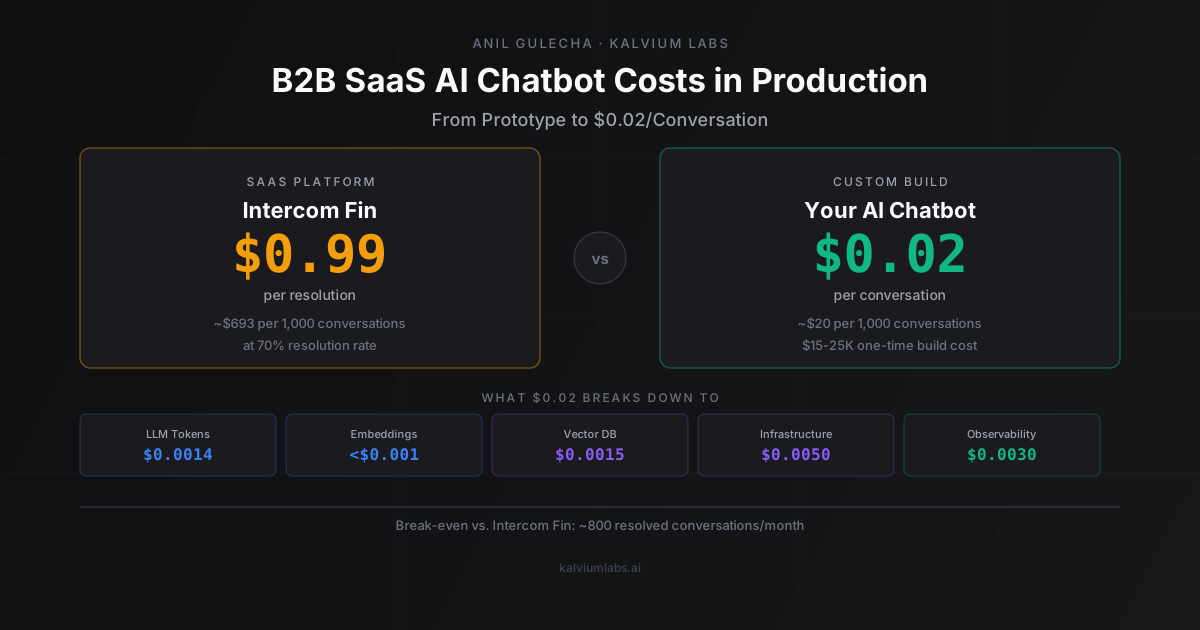
What a B2B SaaS AI Chatbot Costs in Production
AI chatbot development for B2B SaaS: what it costs in production. Token math, build-vs-buy with Intercom Fin, and how to reach $0.02/conversation.
Anil Gulecha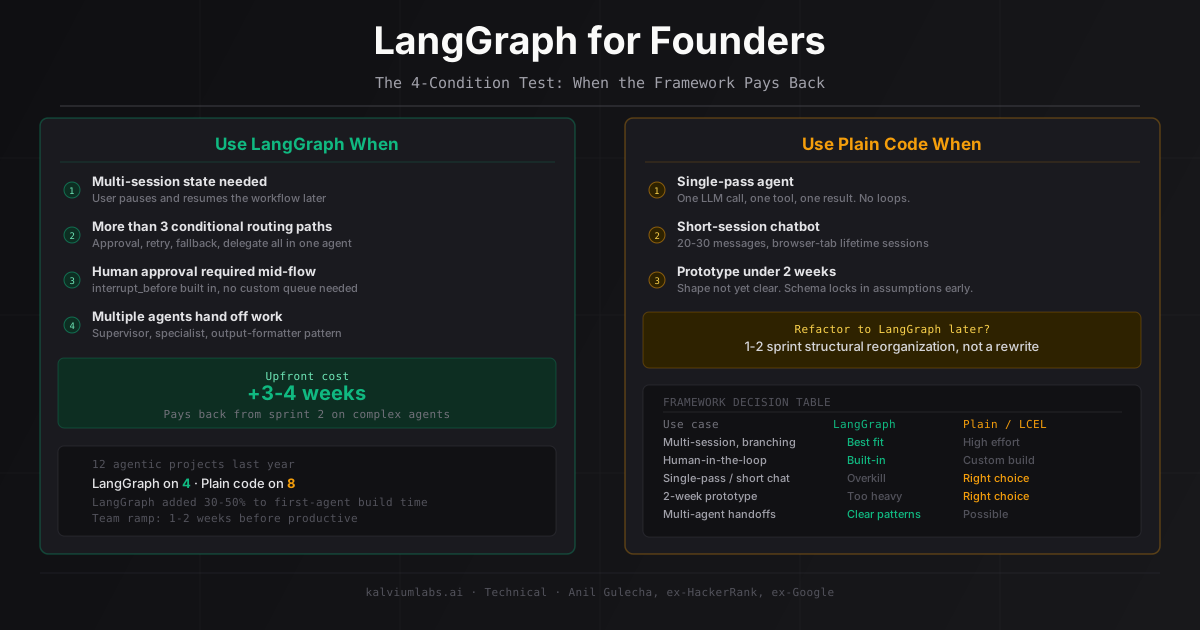
LangGraph for Founders: When the Framework Pays Back
We built 12 agentic projects last year. LangGraph on four, plain code on eight. Here's the 4-condition test that tells you which your project needs.
Anil Gulecha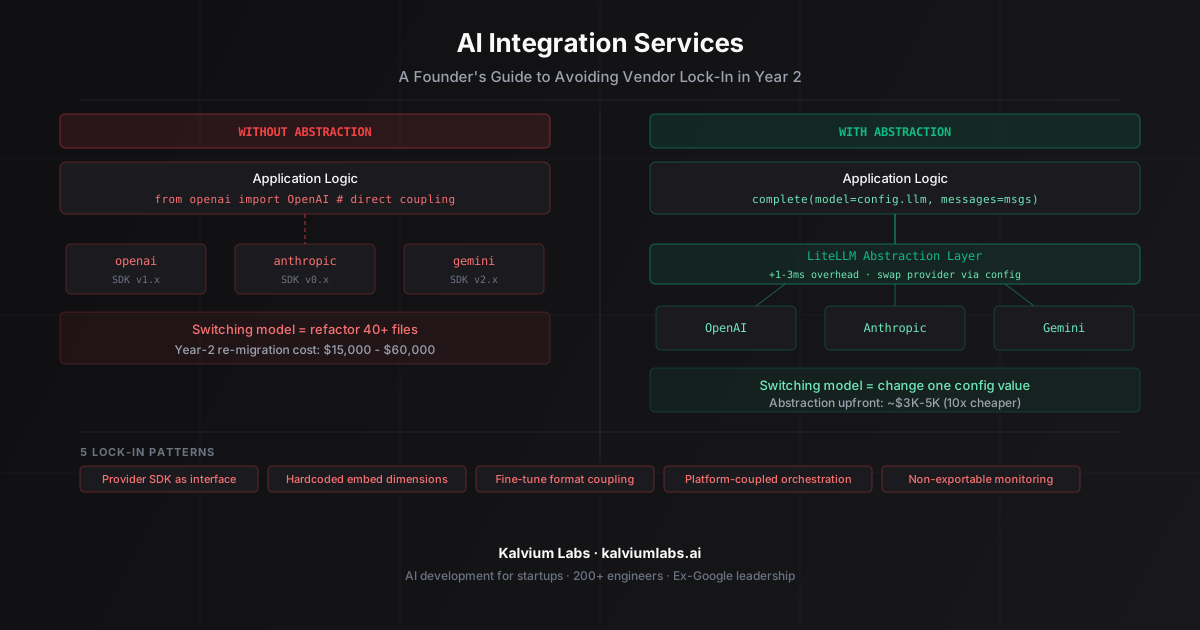
AI Integration Services: Avoiding Vendor Lock-In
We've built production voice AI and LLM systems for 20+ startups. Vendor lock-in hits at API layer, data format, and training pipeline — not just pricing. Here's how we architect for portability from day one, plus the specific contracts to watch.
Anil Gulecha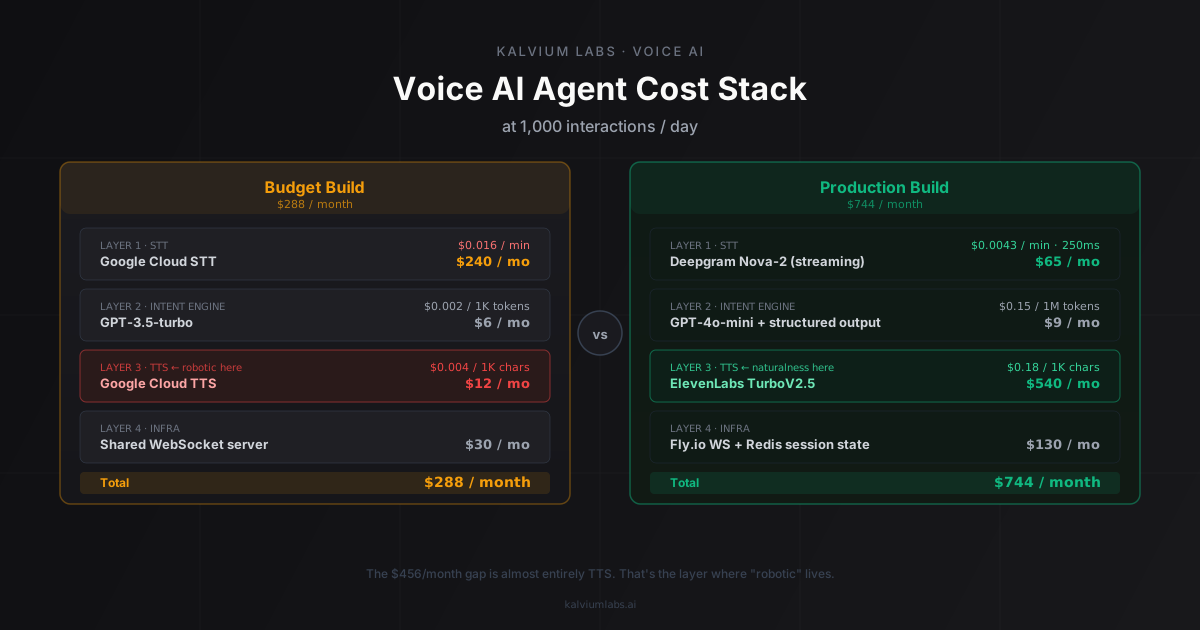
Voice AI Agents: What They Cost and Why They Sound Robotic
Voice AI agents cost $200–$2,000/month at 500–5K interactions/day. Here's what drives the range and why cheap builds sound robotic.
Anil Gulecha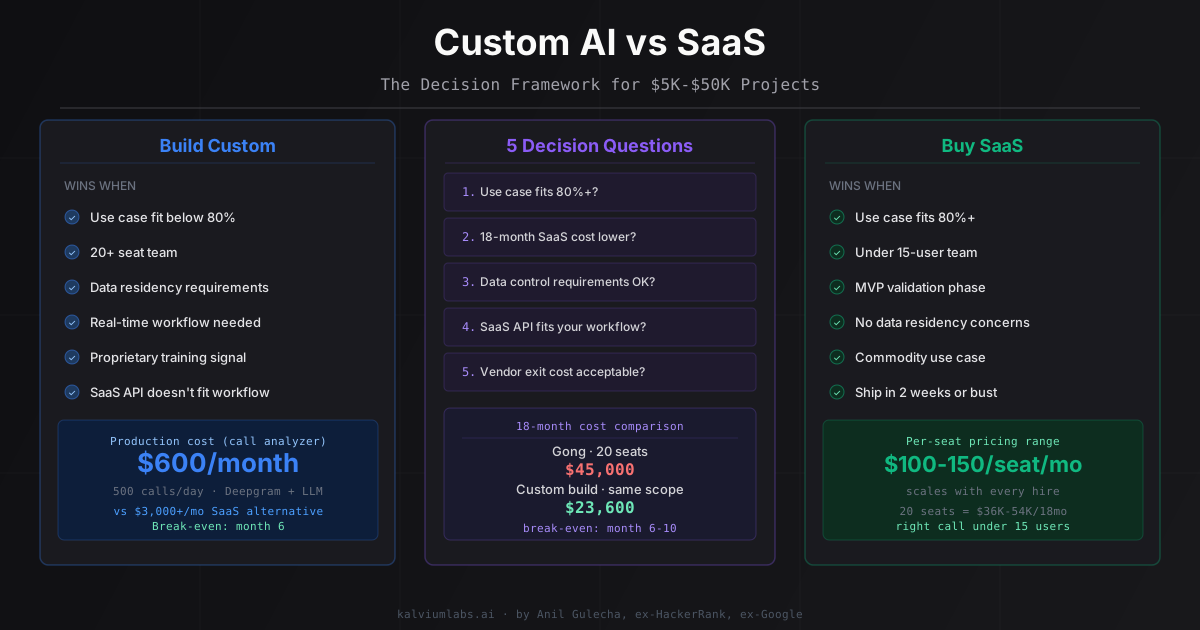
Custom AI vs SaaS: The Decision Framework for $5K-$50K
When to build a custom AI solution vs buy SaaS for $5K-$50K projects. 5-question framework with real cost breakdowns from production AI builds.
Anil Gulecha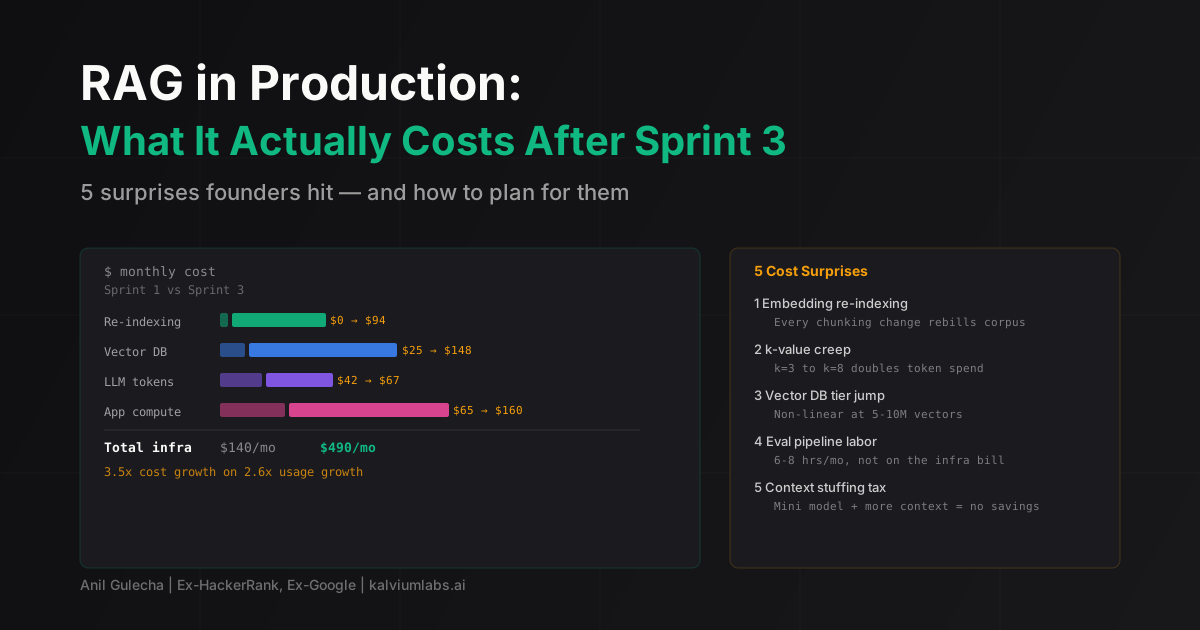
RAG in Production: What It Actually Costs After Sprint 3
We've shipped 3+ production RAG systems. Here's the real cost breakdown: embedding costs, vector DB fees, retrieval latency trade-offs, and what actually changed our bills.
Anil Gulecha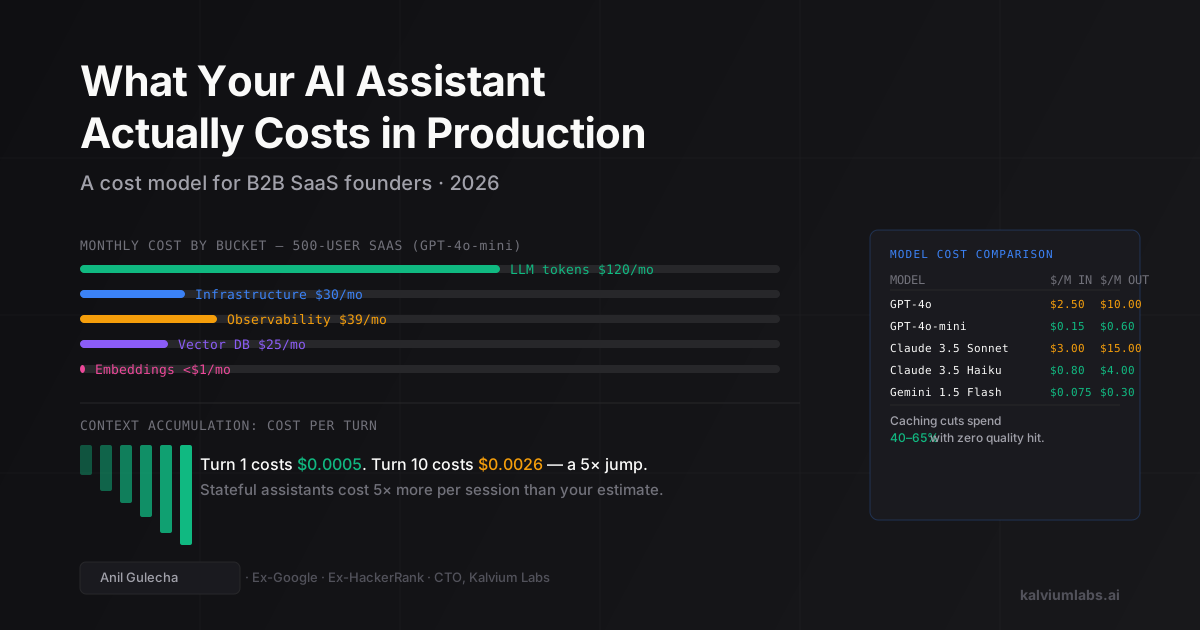
What Your AI Assistant Actually Costs in Production
We've shipped AI assistants for B2B SaaS products. Here's the real pricing breakdown — model costs, infrastructure, and the pricing structures that work: per-seat, usage-based, or hybrid — with numbers from production.
Anil Gulecha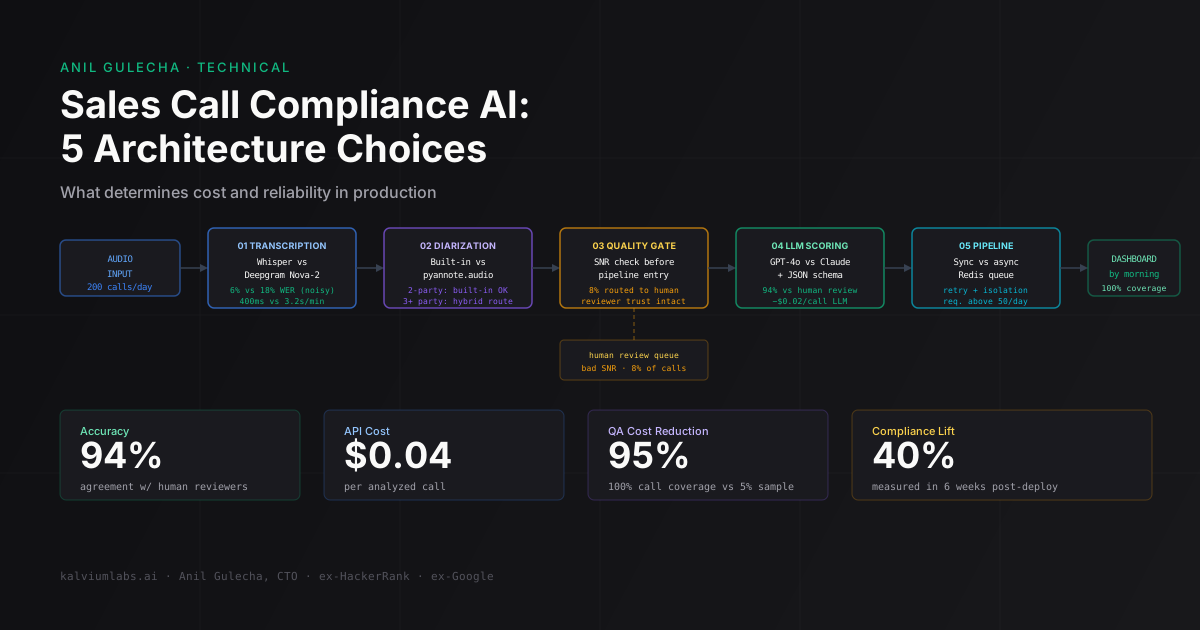
Sales Call Compliance AI: 5 Architecture Choices
The 5 architecture decisions that determine what your compliance AI costs and whether it holds up in production. Numbers from a build we shipped.
Anil Gulecha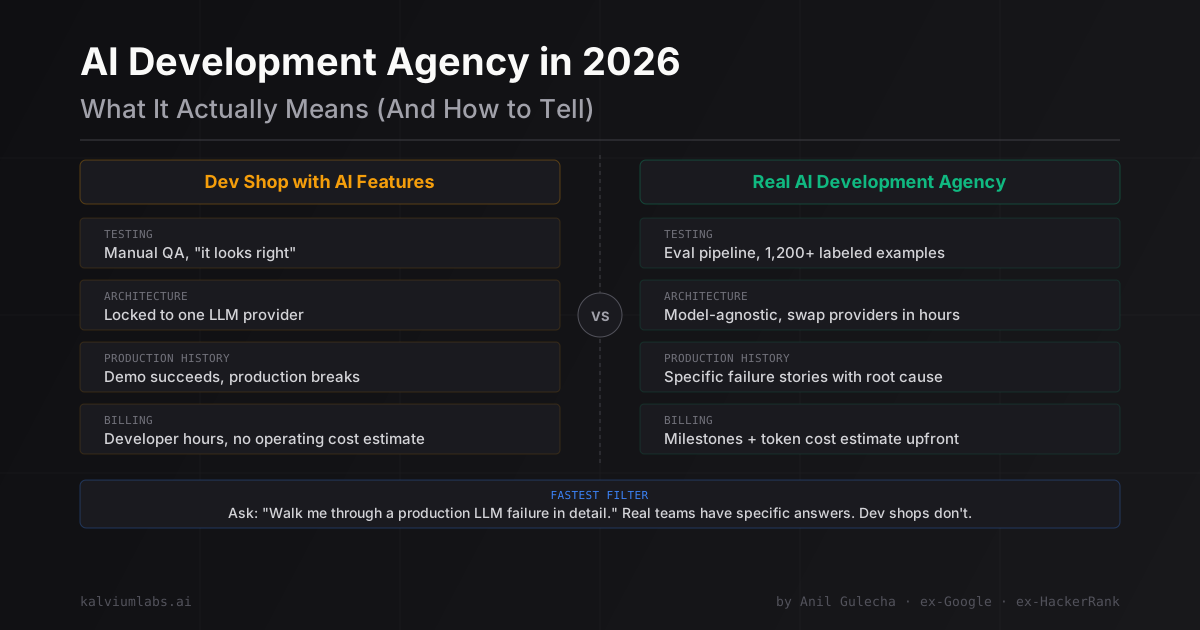
AI Development Agency in 2026: What It Actually Means
Most 'AI agencies' added GPT API calls in 2023 and rebranded. Four things that separate real AI agencies from dev shops, plus 5 red flags to catch before you sign.
Anil Gulecha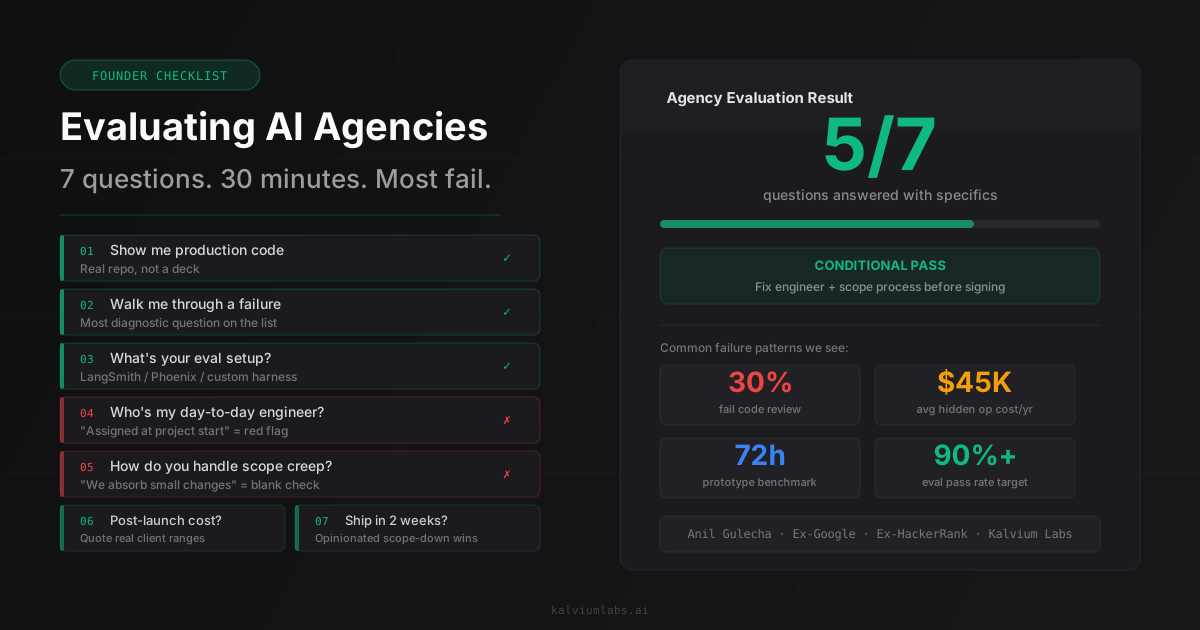
Evaluating AI Agencies: An Ex-Google Engineer's Checklist
7 questions an ex-Google engineer asks any AI agency in the first 30 min. What good answers look like and how most agencies fail this test.
Anil Gulecha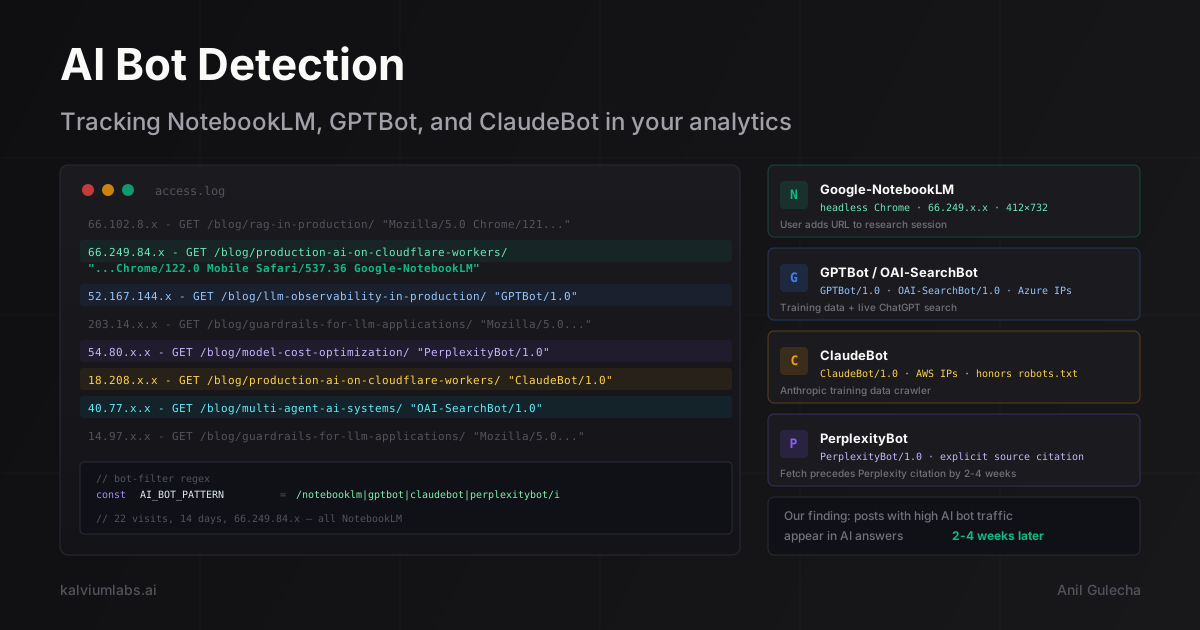
How to Detect AI Bots: NotebookLM, GPTBot, ClaudeBot
AI bots now represent 15–40% of traffic on technical sites. Here's how we detect and filter NotebookLM, GPTBot, and ClaudeBot in production — with analytics segmentation, robots.txt tuning, and logs from our own site.
Anil Gulecha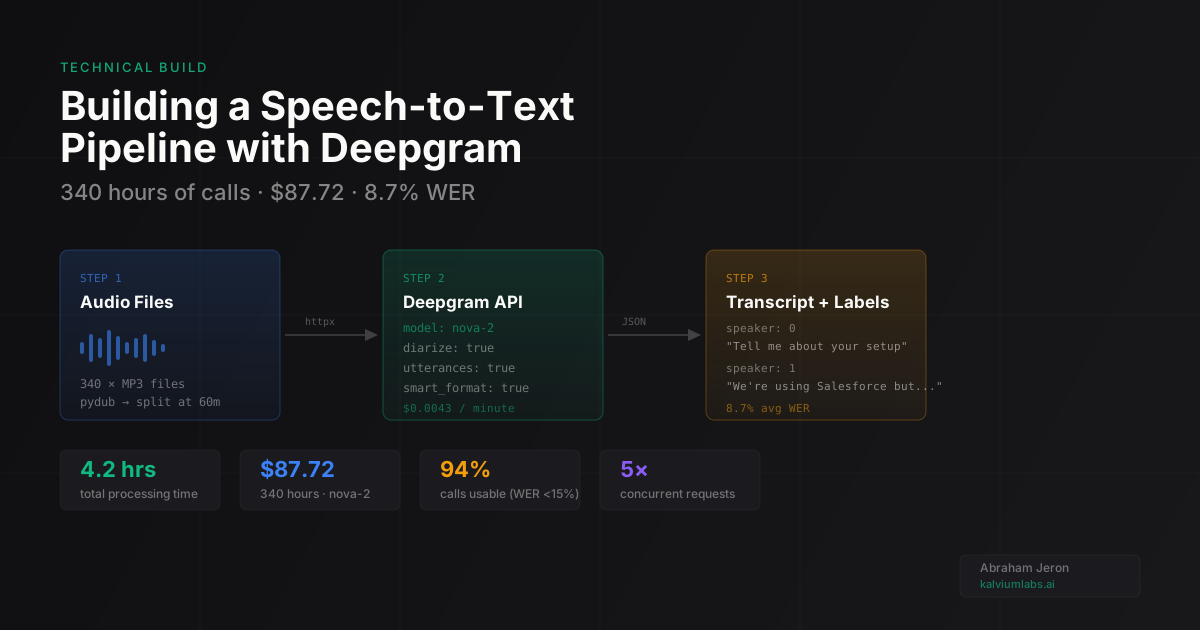
Building a Speech-to-Text Pipeline with Deepgram and Python
We've integrated Deepgram into two production systems. Here's the architecture for real-time transcription, diarization, and downstream AI processing — with latency benchmarks and the errors you'll actually hit.
 Abraham Jeron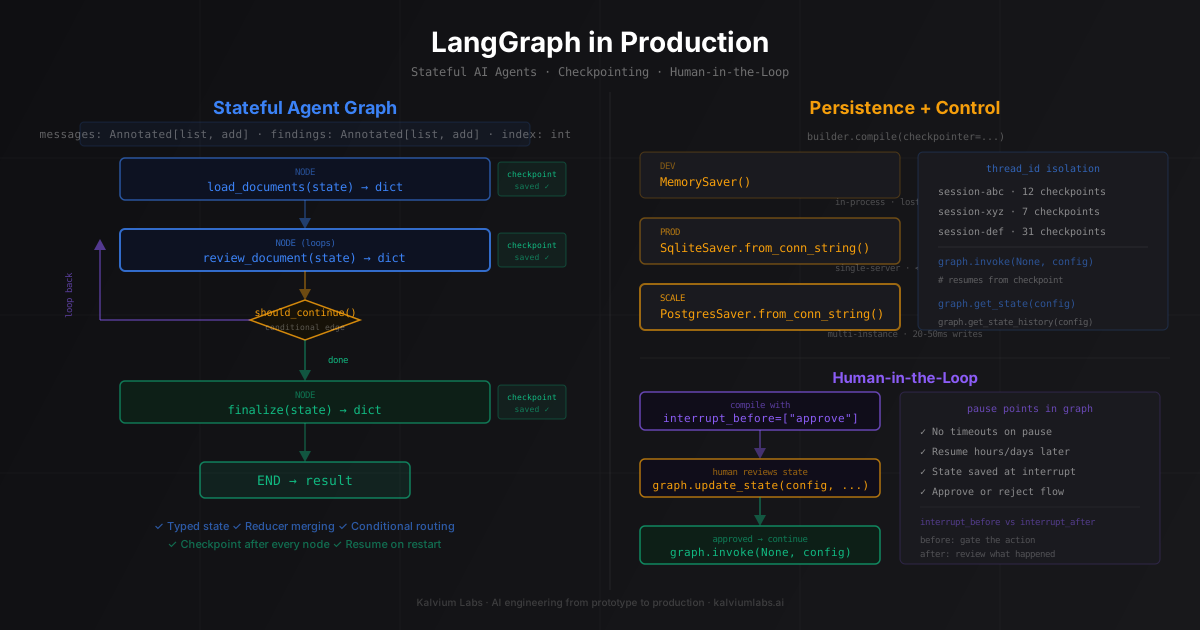
LangGraph in Production: Building Stateful AI Agents
We've shipped 5 production LangGraph agents. Here's how we structure StateGraph, handle set_entry_point correctly, stream intermediate steps, and recover from tool failures — with working code.
Anil Gulecha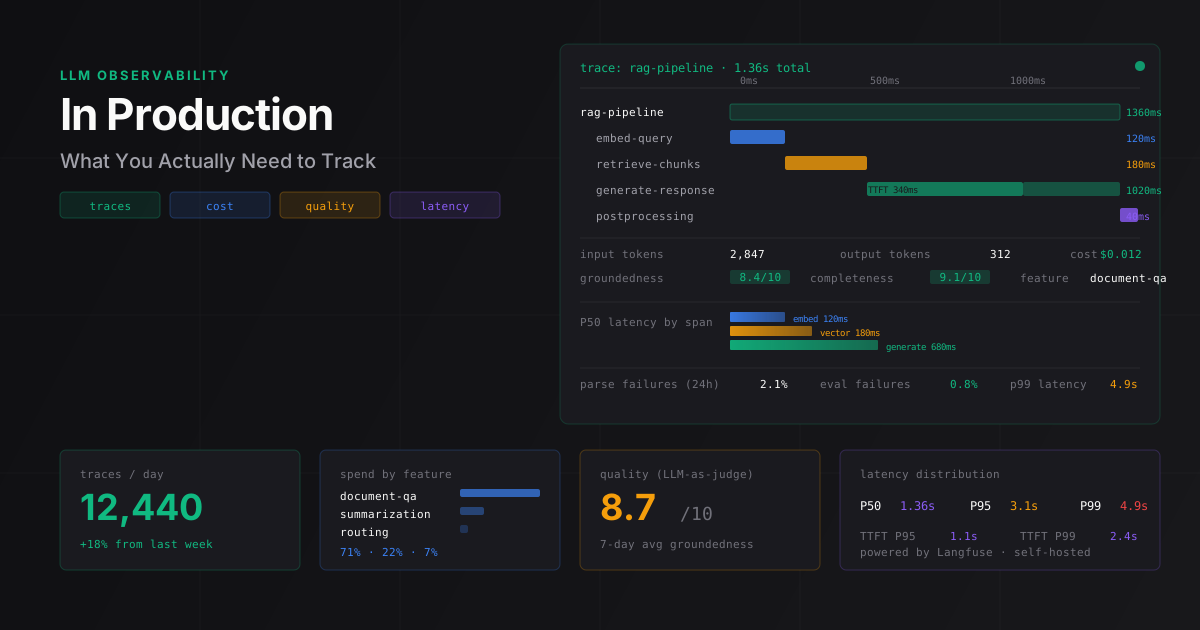
LLM Observability in Production: What You Need to Track
What to measure in production LLM systems: tracing, cost attribution, quality evaluation, and latency. Patterns from deployed AI systems with real numbers.
Anil Gulecha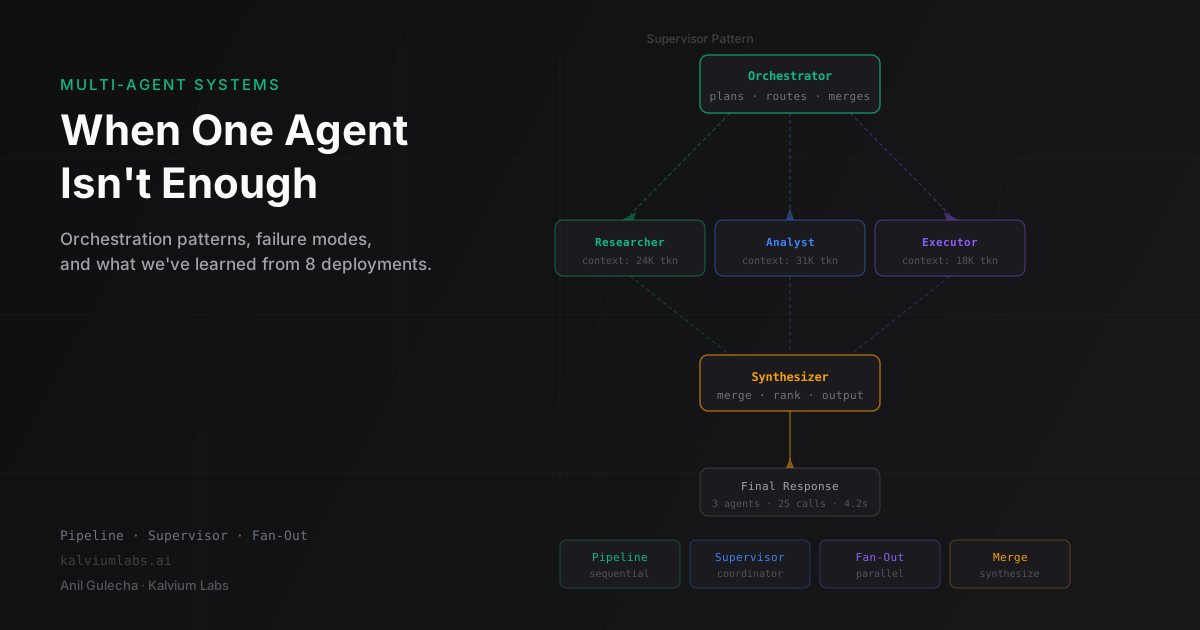
Multi-Agent AI Systems: When One Agent Isn't Enough
When single agents fail and multi-agent systems work in production. Three orchestration patterns, failure modes, and real deployment decisions from 8 projects.
Anil Gulecha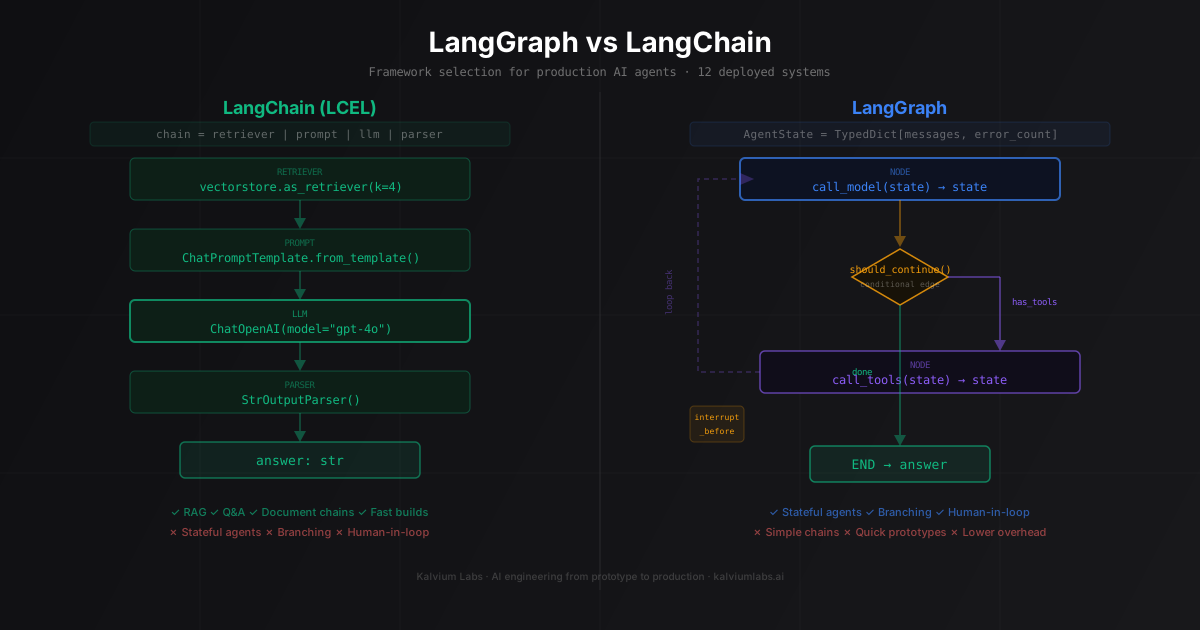
LangGraph vs LangChain in Production: When Each Makes Sense
We've deployed both LangGraph and LangChain in production. LangGraph wins for stateful multi-step agents. LangChain wins for simple RAG pipelines. Here's the decision framework and code comparison.
Anil Gulecha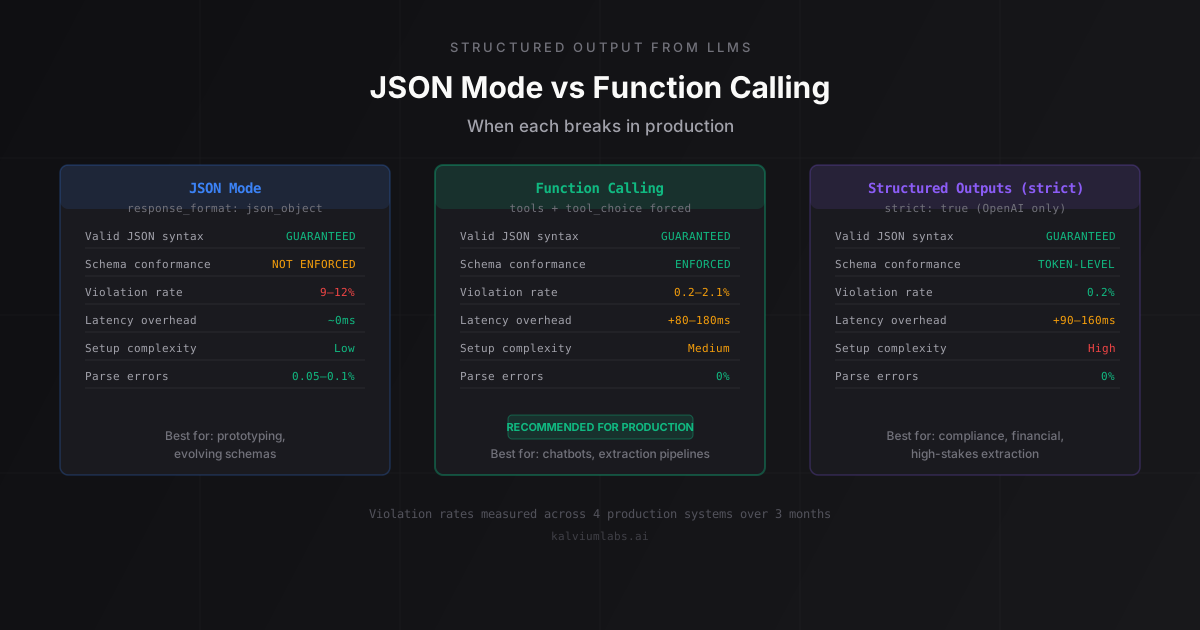
LLM Structured Output: JSON Mode vs Function Calling
JSON mode, function calling, and Pydantic tool use compared. Failure rates, latency, and which method breaks first in production AI chatbot systems.
Anil Gulecha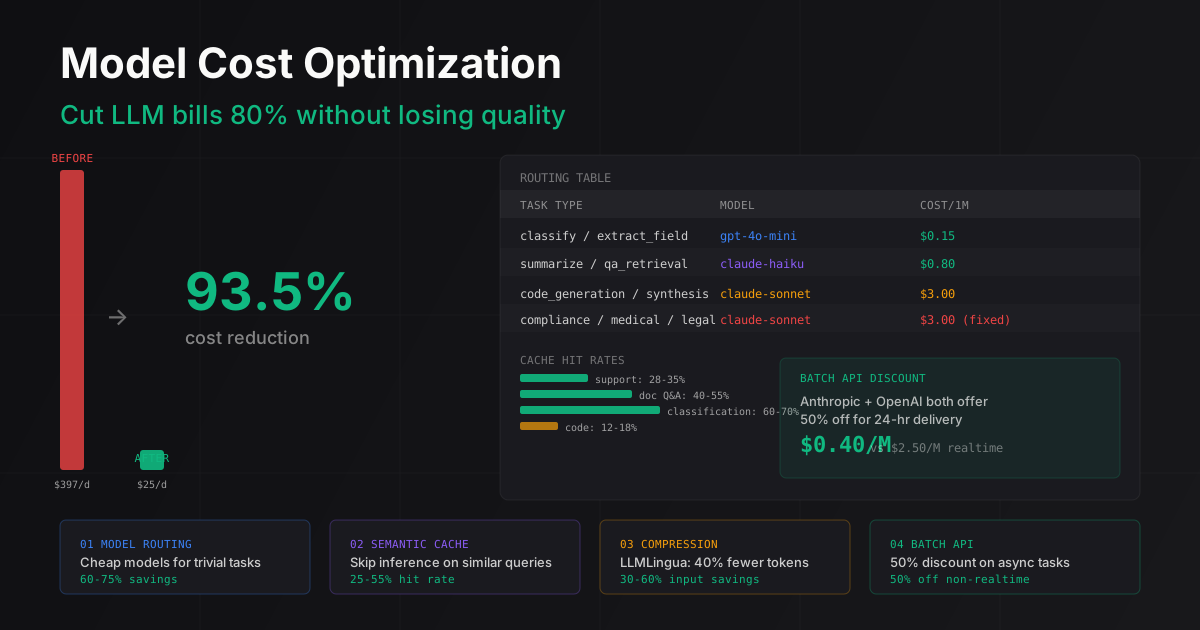
Model Cost Optimization: Cut LLM Bills 80% in Production
Four techniques that cut LLM inference costs 80% without quality loss. Model routing: 60-75% reduction. Semantic caching: 25-35% hit rates. Numbers from production systems we've shipped.
Anil Gulecha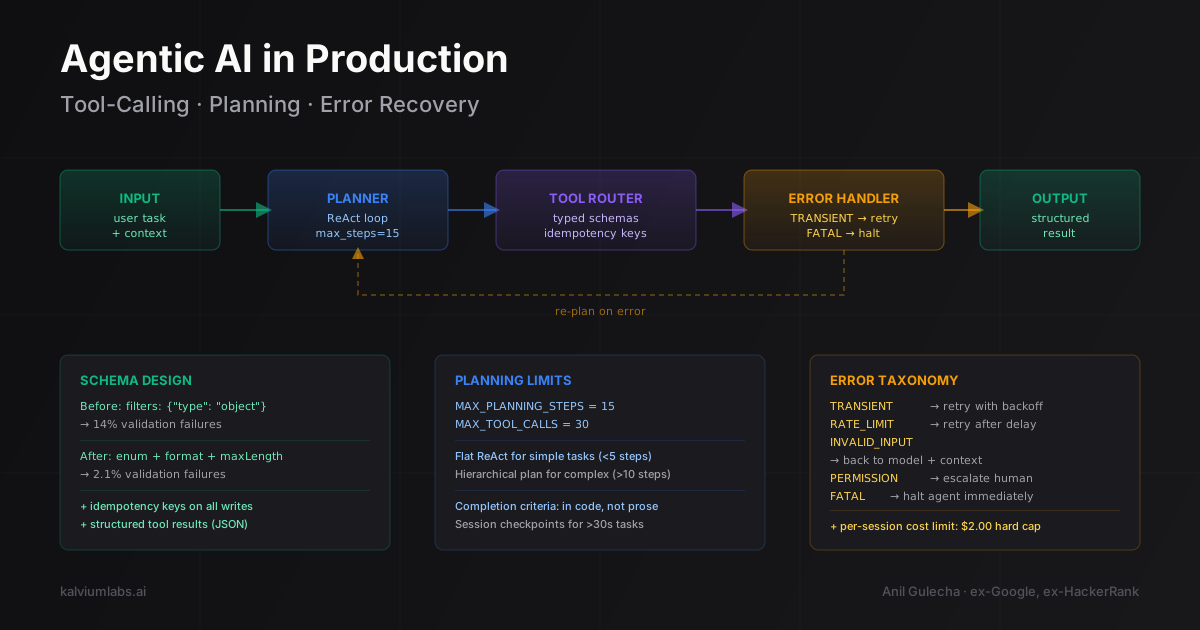
Agentic AI in Production: Tool-Calling, Planning, Recovery
Tool schemas, planning loops, and error recovery for production AI agents. Six deployed systems, real failure data, and the patterns that actually hold.
Anil Gulecha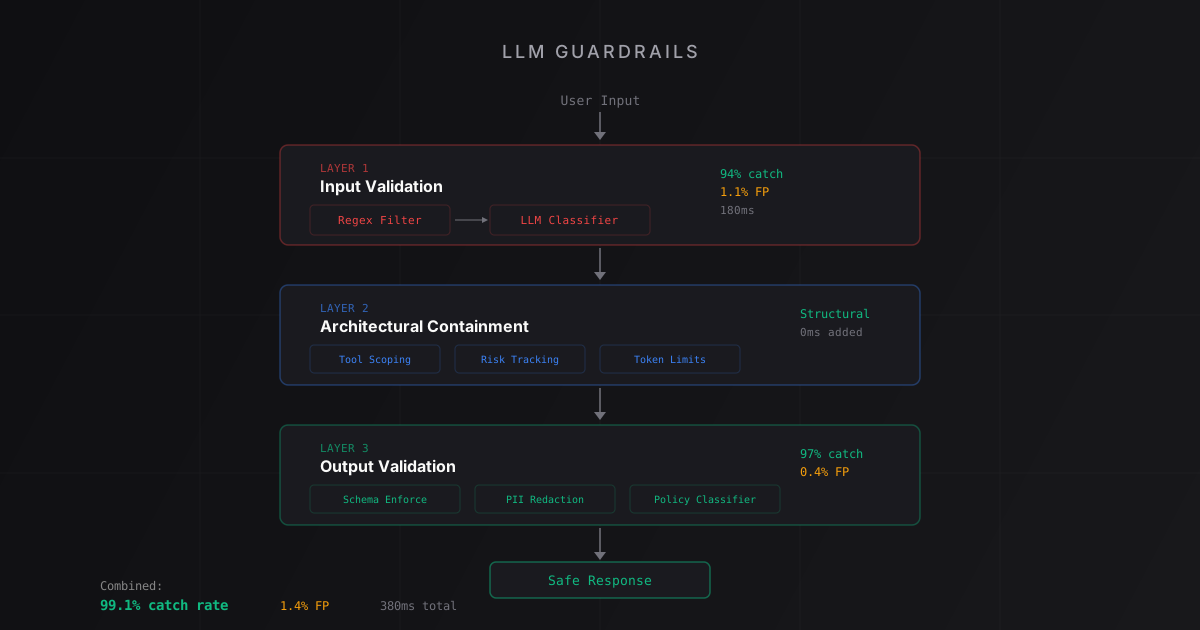
LLM Guardrails That Actually Work in Production
Input validation, output filtering, and containment patterns for LLM applications. Battle-tested guardrail patterns from real chatbot and agent deployments.
Anil Gulecha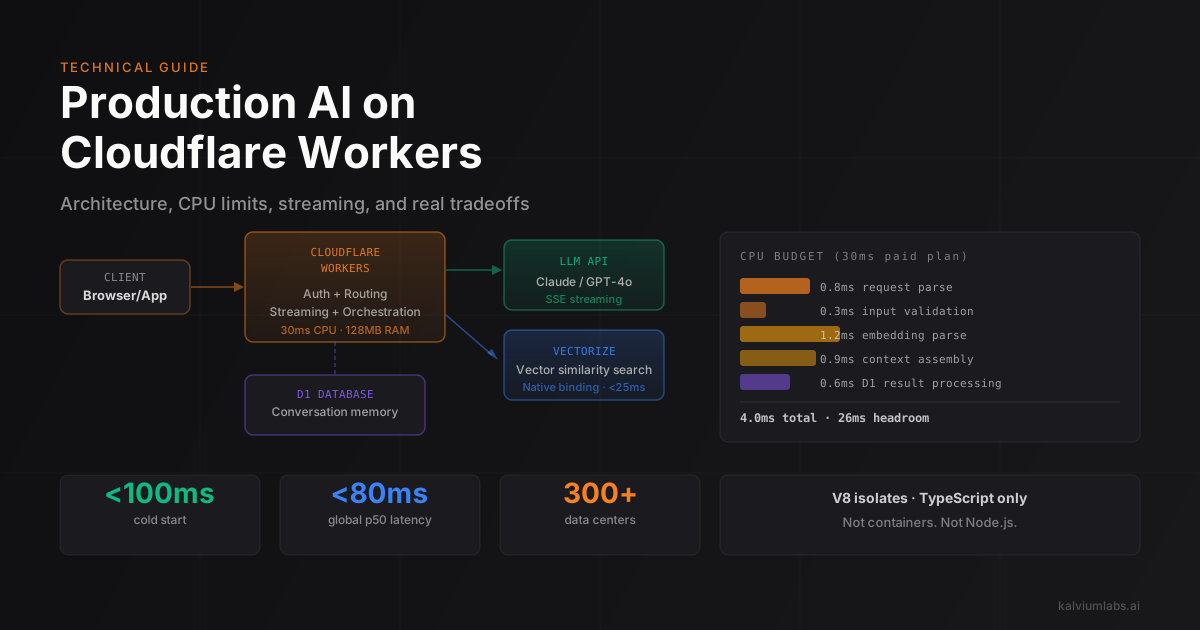
Production AI on Cloudflare Workers: Architecture Guide
Cloudflare Workers for AI: when it works, when it doesn't. CPU limits, cold starts, D1 vs Vectorize, streaming, and architecture patterns from a real production build.
Anil Gulecha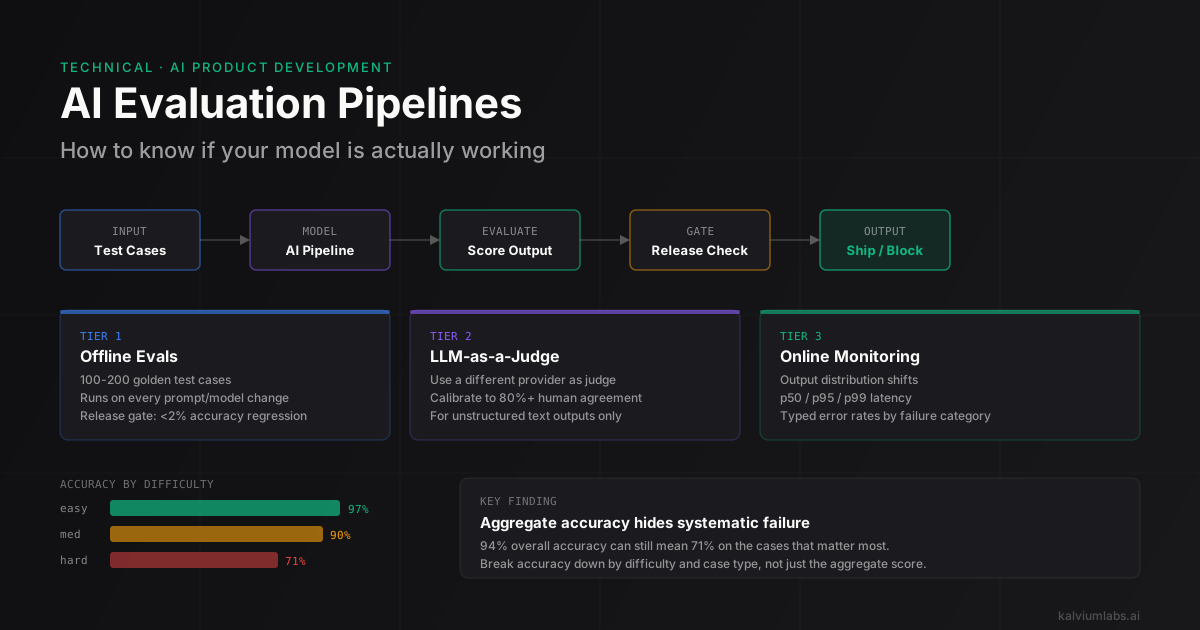
AI Evaluation Pipelines: Testing Your Model in Production
How to build AI evaluation pipelines for production: offline test suites, online monitoring, LLM-as-a-judge calibration, and prompt regression testing.
Anil Gulecha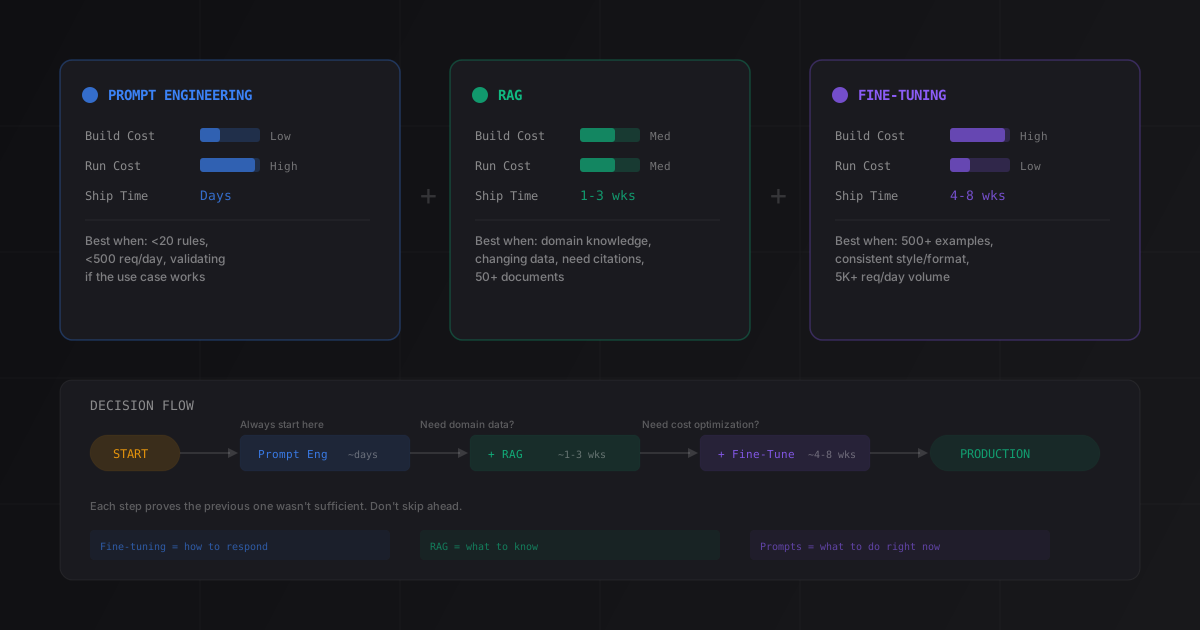
Fine-Tuning vs RAG vs Prompt Engineering: When to Use What
Fine-tuning vs RAG vs prompt engineering: decision framework with cost data, code, and real examples from production AI software development projects.
Anil Gulecha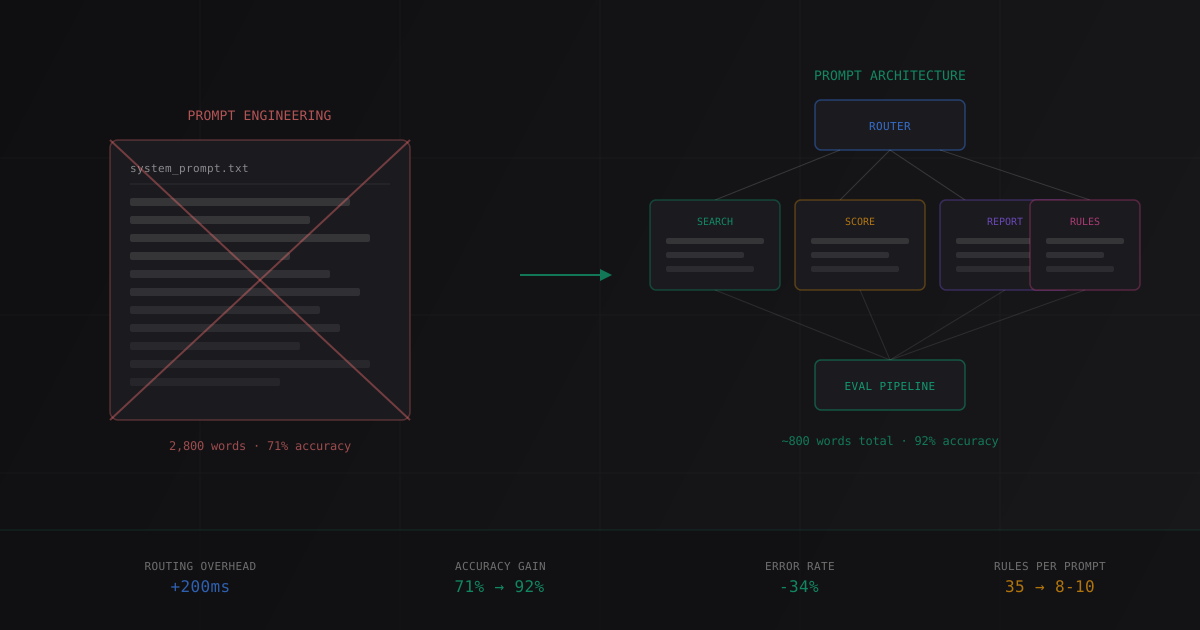
Prompt Engineering Is Dead. Prompt Architecture Matters.
Why prompt engineering doesn't scale for production AI agents. Prompt routing, decomposition, template systems, and evaluation patterns from real agent builds.
Anil Gulecha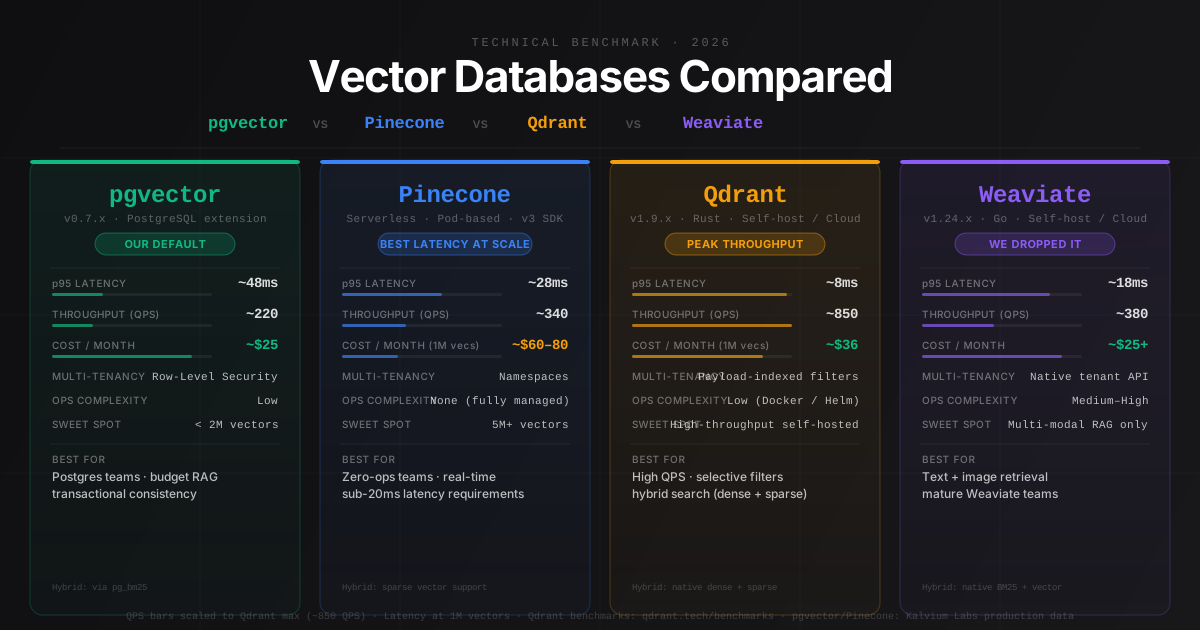
Vector Databases Compared: pgvector vs Pinecone vs Qdrant vs Weaviate
We've run all four vector databases across 10+ production RAG systems. pgvector is our default for most builds; Pinecone wins at 5M+ vectors. Here's the full benchmark, cost comparison, and decision matrix.
Anil Gulecha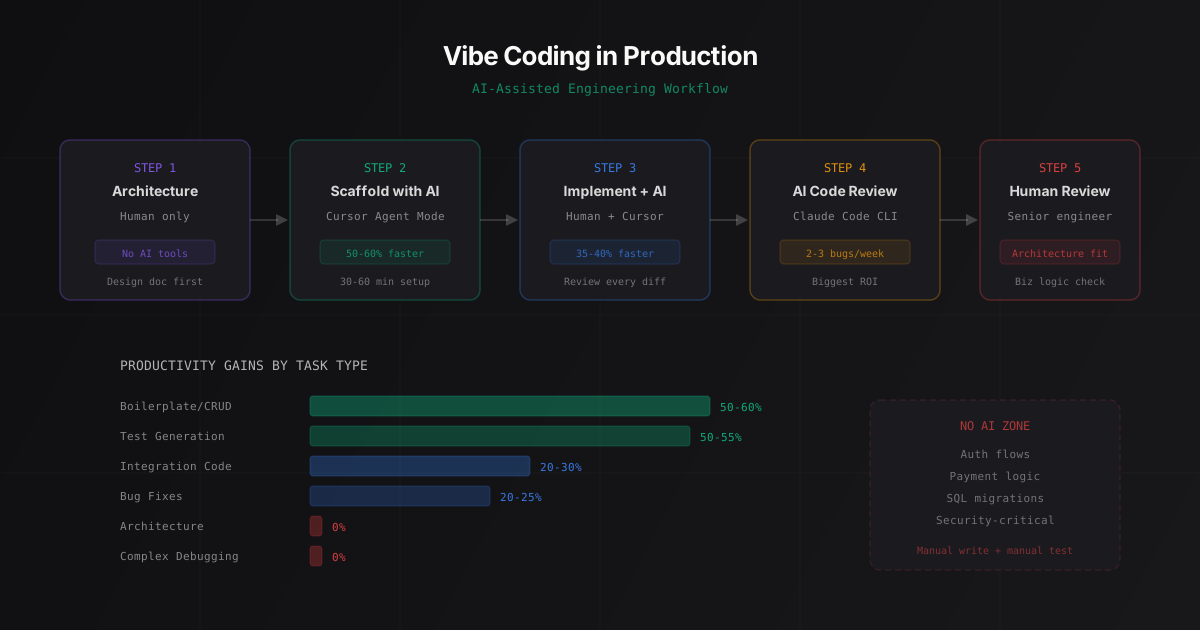
Vibe Coding in Production: How We Use AI to Build AI
Our team ships AI products using AI coding tools every day. Here's what actually works, what breaks, and the workflows we've settled on after 6 months.
Abraham Jeron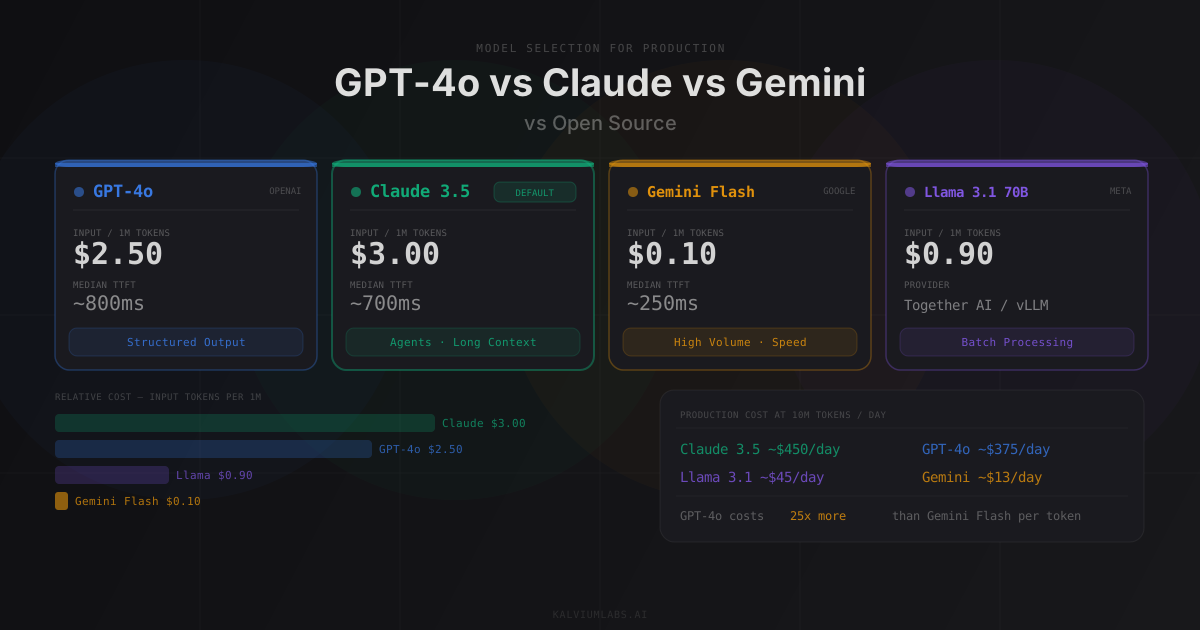
LLM Selection for Production: GPT-4o vs Claude vs Gemini
How we pick LLMs for production. Cost benchmarks, latency data, structured output reliability, tool-calling quality, and when open source wins.
Anil Gulecha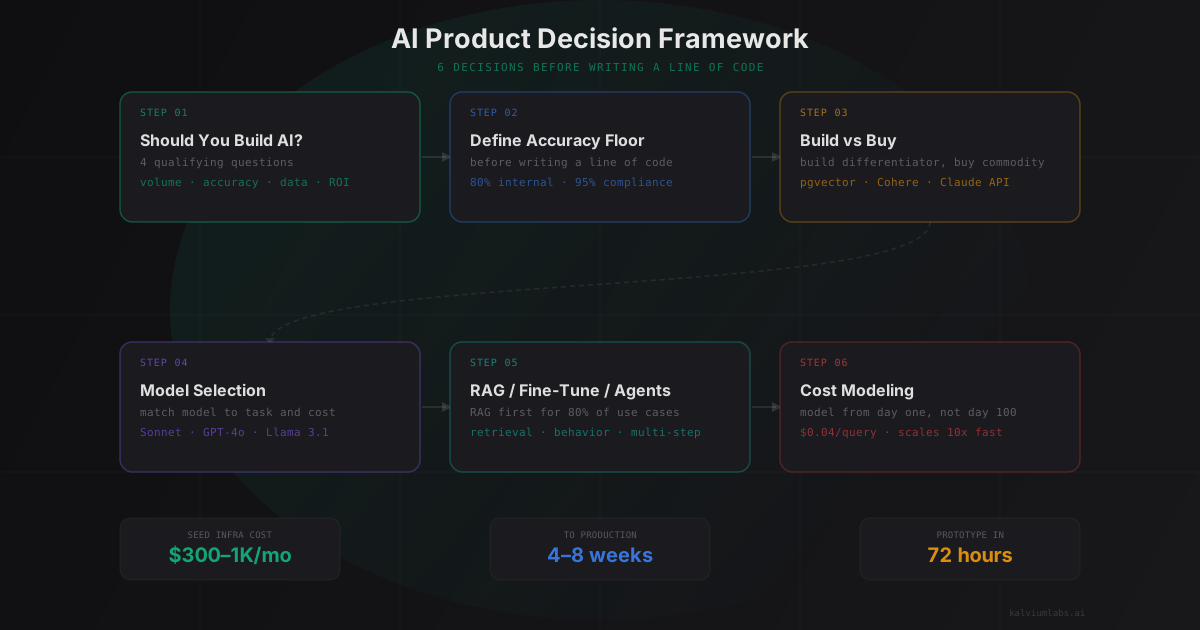
Building AI Products for Startups: Decision Framework
When to build AI features, when not to. Build vs buy, model selection, RAG vs fine-tuning vs agents, and infra costs at seed and Series A.
Anil Gulecha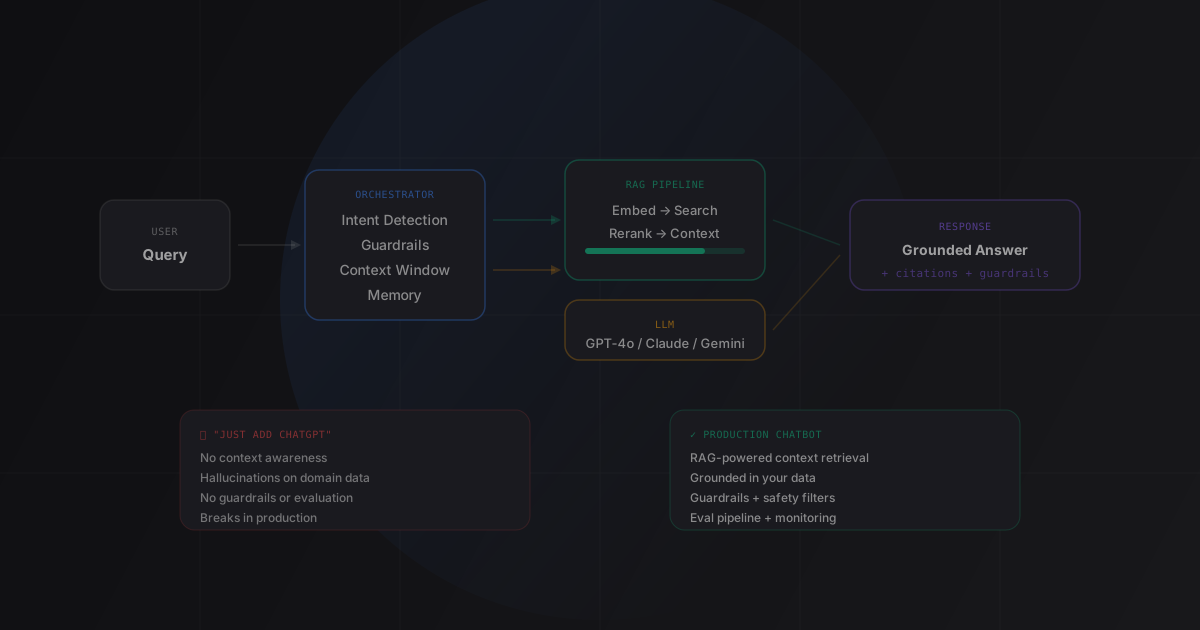
AI Chatbot Development: Beyond 'Just Add ChatGPT'
ChatGPT wrappers break under real business rules. We've built custom chatbots for B2B SaaS, compliance workflows, and EdTech — here's what custom development actually requires vs. what off-the-shelf tools give you.
Abraham Jeron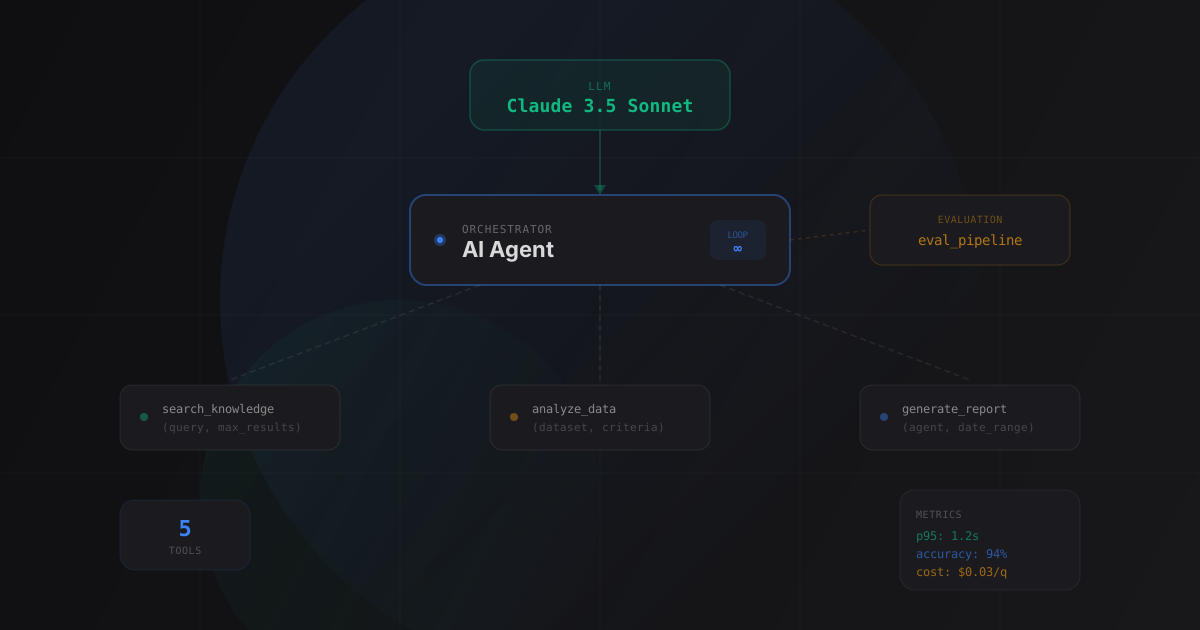
Building AI Agents: Architecture, Trade-offs, and What We've Learned
We've built AI agent systems with LangChain, LangGraph, and fully custom stacks. Here are the architecture decisions that changed across projects — tool-calling patterns, state management, and the point where a custom stack made sense.
Anil Gulecha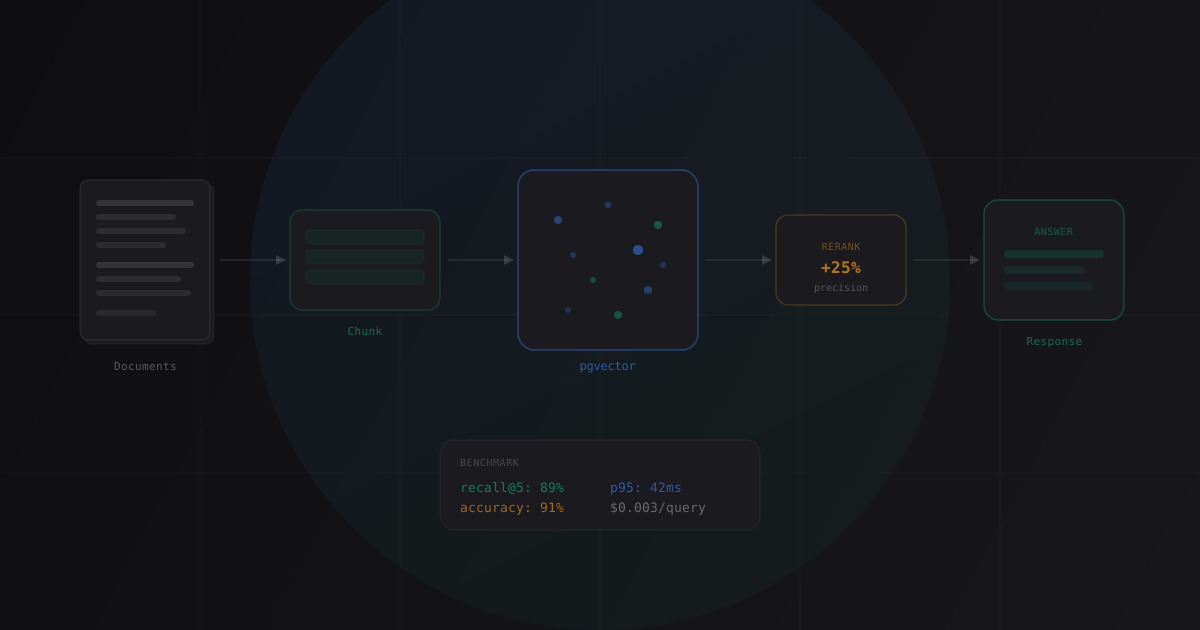
RAG in Production: What Works, What Doesn't, and Why We Stopped Using Pinecone
Embedding benchmarks (BGE-M3 vs text-embedding-3-small), chunking strategies that actually work, pgvector vs Pinecone trade-offs, and how to evaluate retrieval quality.
Anil Gulecha